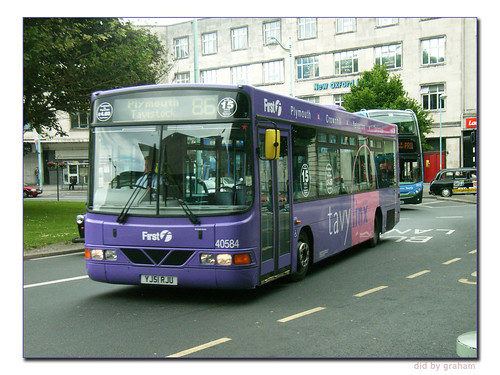
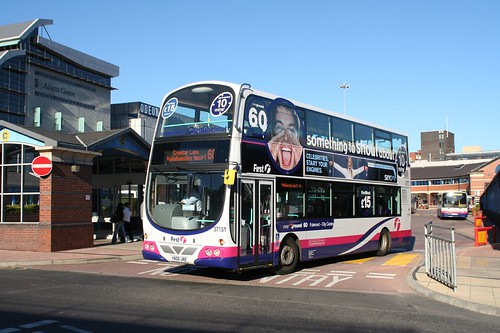
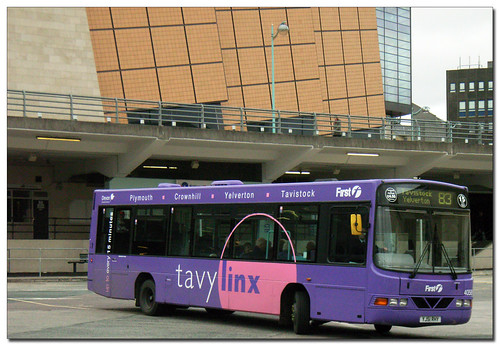
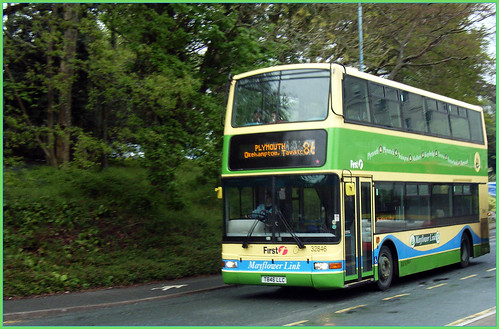
Just as a few days ago a comment left here was too good to remain in the sidebar, Here is another long comment which I dont want to get lost in with everything else so its resented here as a post of its own…
Anon wrote on 16 July @ 12:50 "there's no getting away from the fact that the lower the number the easier it is for people to remember."
I'm always intrigued by this claim. It's a major belief of, for example, Trent Barton in my part of the world and is repeatedly produced to justify service renumbering's and renaming's countrywide, but I've yet to find any bus company senior manager or marketing whizz who can actually produce any evidence to show that this claim has any factual base.
I've repeatedly been told something to the effect of "Oh, but it's obvious, isn't it?", which is about as evidential as Anon 12:50's claim that Western Greyhound's numbers were confusing just because they all started with a 5. (Anon would, logically, have found them just as confusing if they were all closely associated two-figure numbers starting 8 - as four of his seven examples were).
I do strongly believe that the industry should be doing everything possible to make it easier for people to travel, but pseudo-science (often by assertion) about numbering (see note 1), and marketing-dross such as Trent Barton's insistence on replacing groups of service numbers with names which then get service letters (see note 2) or misleading branding (see note 3) really don't help!
Oh, and don't get me started about companies which use "X" prefixes to mean nothing at all. If they don't mean anything, why use them?
Perhaps I was spoilt as a child of the pre-deregulation West Midlands where an X prefix meant limited stop, and suffixes were A for anti-clockwise circular, C for clockwise circular, E meant an exception to the norm (short working, extension or diversion to a depot or factory, i.e. check with the driver) and that was pretty much it.
Note 1: Especially when it results in complex single number service groups such as Stagecoach West's 66E/F/S/Q/W on the Gloucester - Stroud corridor;
Note 2: A perfect example is "the threes" out of Nottingham where buses show only "service number" A, B or C because heaven forbid they should show the route number 3 with those letters; who wants a bus displaying 3A, 3B or 3C?
Then there are the "Rushcliffe Greens" group of services where buses show only that for 30 seconds or so before the screen scrolls, leaving you wondering just which service variant (A, B or X) it is as it approaches the stop. (Photo Link)
TrentBarton, of course, are only a "really good bus company" if you're in their marketing demographic and like their way of doing things; the rest of us can go hang as far as they're concerned.
Note 3: In central Nottingham last year I overheard a man ask two middle-aged women where he could get a bus to Long Eaton. Apart from the fact that they misdirected him to the bus station when it stopped just round the corner, the really interesting bit to me was that the first woman told him that he'd "be wanting the 247, it's a purple bus", only for the second woman to contradict with "No, it's the 5, it has been since I was a girl".
Why interesting? Because the service hasn't been the 5 for about 20 years, having gone through variants of R5, rainbow and various marketing names before ending up as "Indigo". The purple bit was right (ish), but the 247? That's because the buses are branded "Indigo 24/7" in big letters on the side... (Photo Link)
Their whole conversation left me reflecting on two things: first, don't be _too_ clever in your marketing, because for every person who it attracts, another will likely be confused, and second, never underestimate the sheer staying power of long-standing service numbers, even if as a manager you think they're just bits of marketing.
p.s. Apologies for taking so long to post this comment - like all good transport worker/enthusiasts, I spent the weekend playing with historic vehicles rather than the ones the day job insists I use.
Thanks for this comment, as it raises ups some interesting points which I know a lot of readers get excited about!
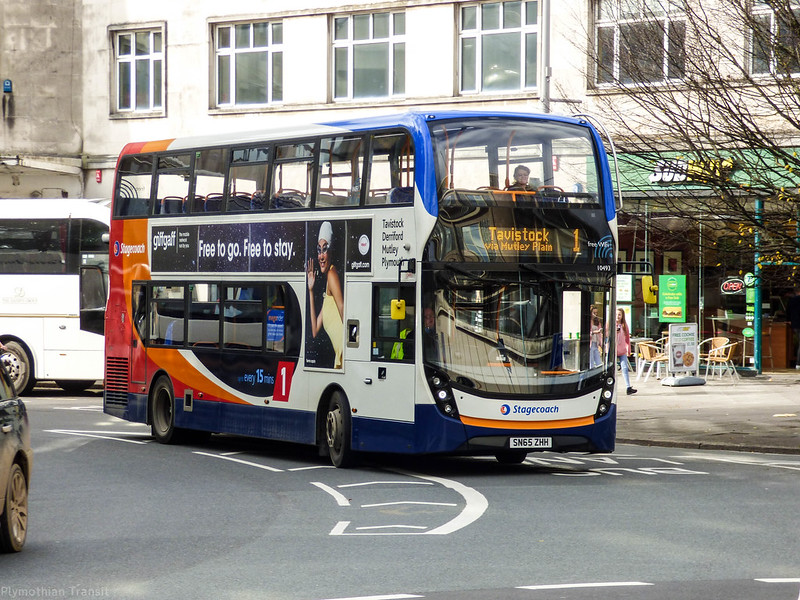
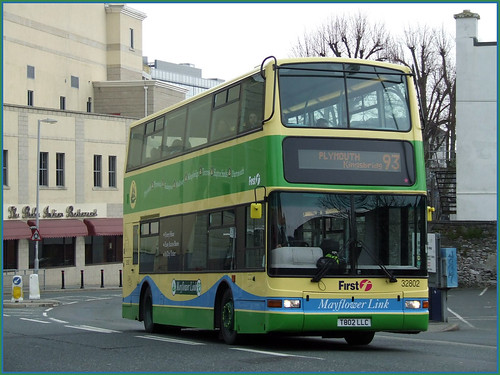
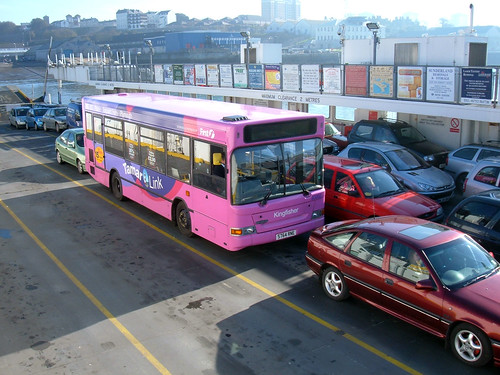
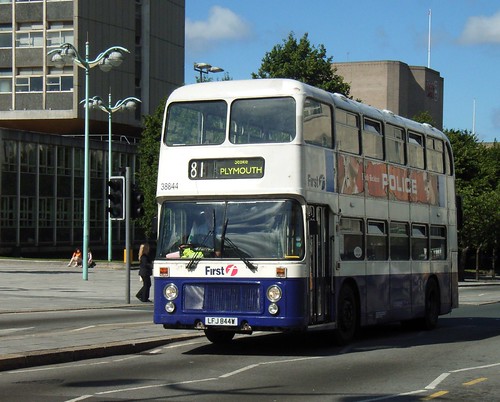
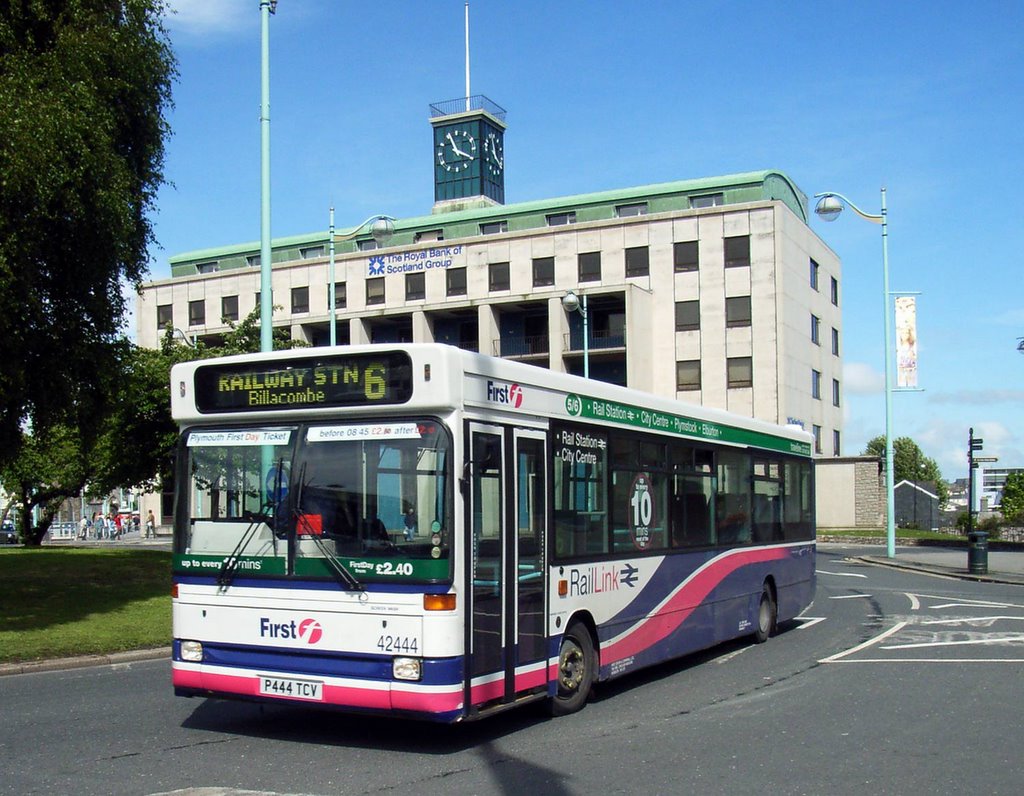
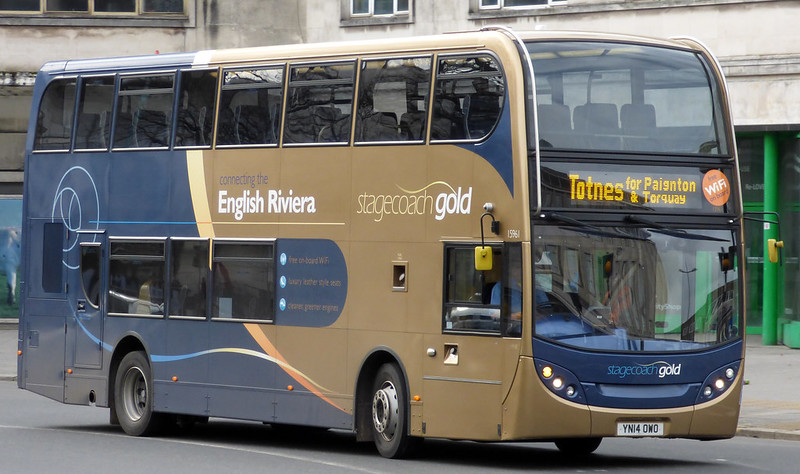
So is it better to keep to the traditional numbers for services? If so, then how far do you go back? I know quite a few people didnt like the X80 being lost when Stagecoach took over and just kept the whole group or services as "Gold" Although at the time they couldn't use the X80 as First were still running theirs, only giving it up after SC had already registered their service. At first the SC Gold was even more confusing as it included the Totnes Dartmouth route as well. Its now settled down as a straight Plymouth Totnes Torbay run. At least its nice and clear on their buses where they are going, but it still looks odd not having a route number. I know several people who wanted SC to revert back to the X80 as that was the proper number, but many of us remember the it as the 129 before it got the fancy X! SC have re-introduced a few old route numbers recently, the 6 group of services in and around Okehampton for example.
. 
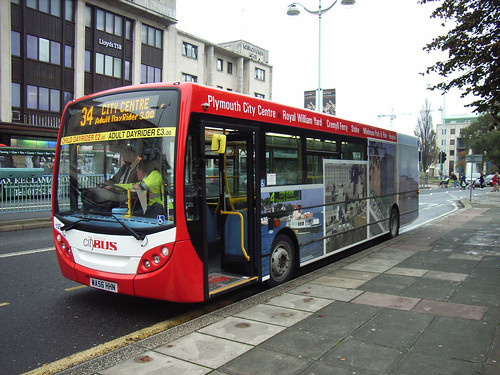
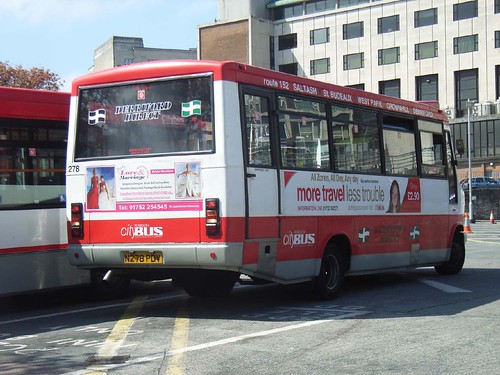
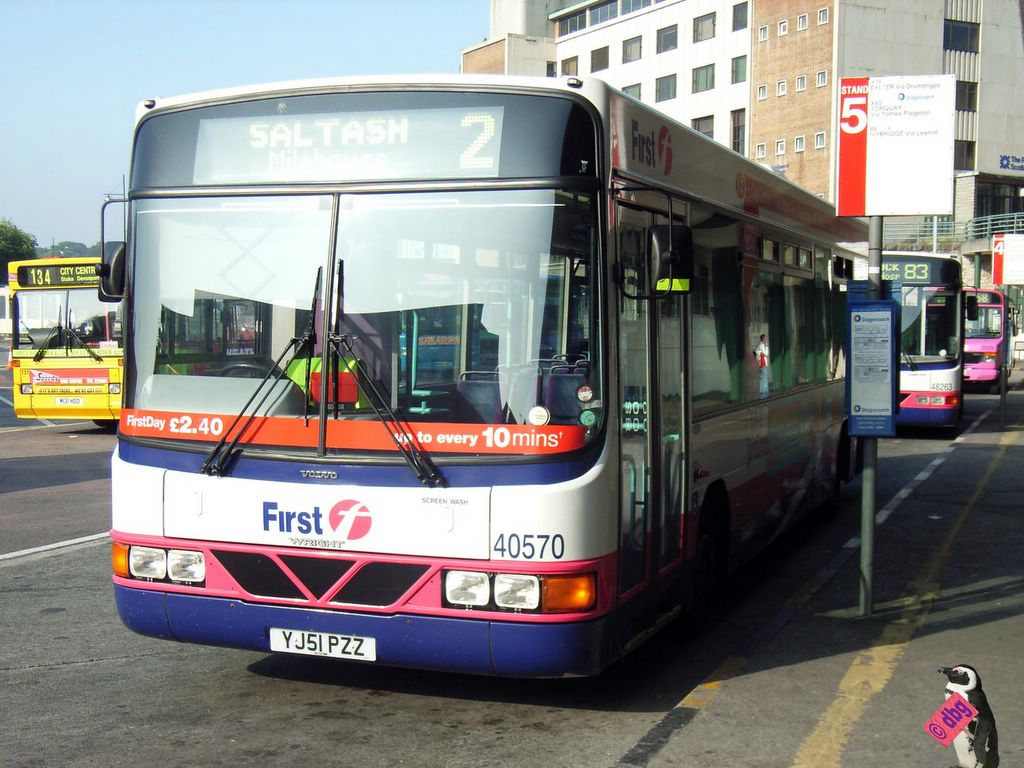
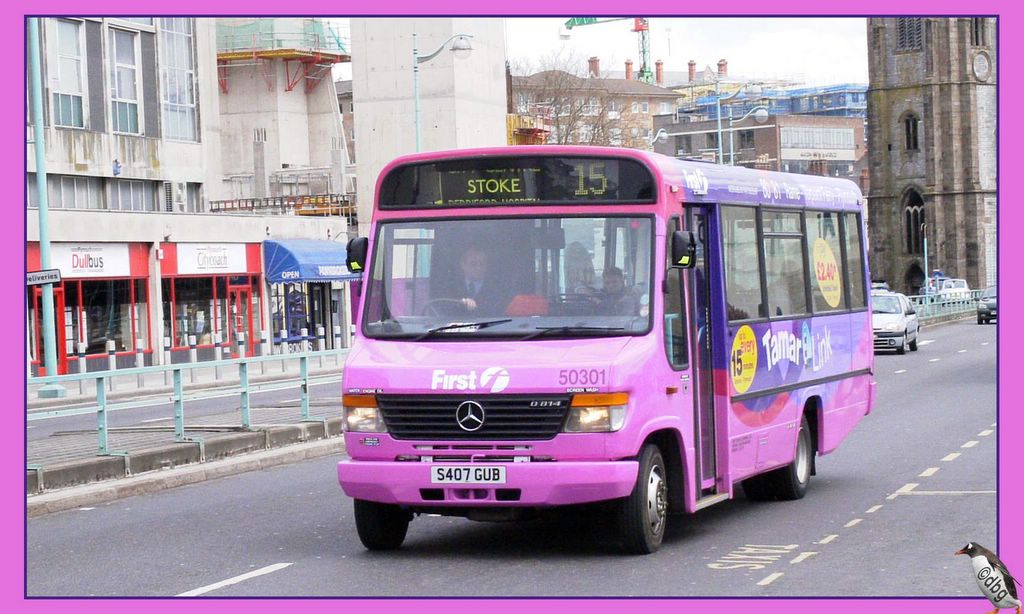
At least Plymouth Citybus retained their route numbers when they rebranded their Flash routes 21 21A but in preparation for the new Yellow Flash the long standing 43 was merged with the 50, with the whole route becoming the 50. Easy for me as an old 50 passenger but still confusing for passengers of the 43 and also passengers at Derriford looking for the bus to Eastover, seeing it waiting there with Ernesettle on the front!
Then of course we have the latest set of changes which saw the 576 renumbered 12. At the time they couldnt use the 76 as that was still being used by First who have now announced its coming off so the long standing number 76 will disappear.
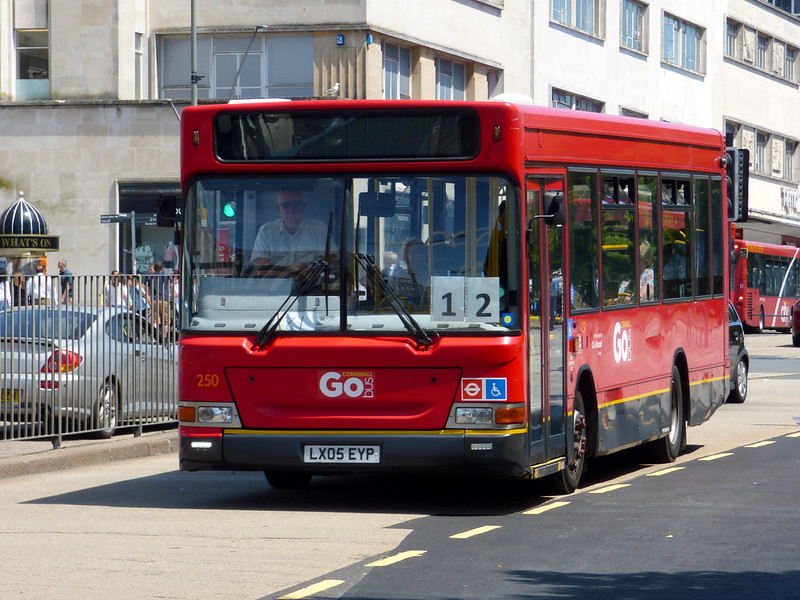
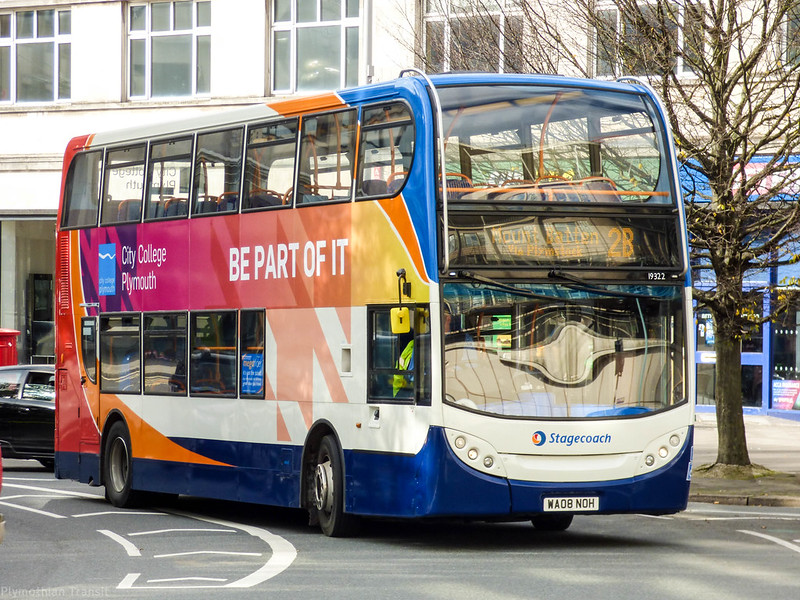
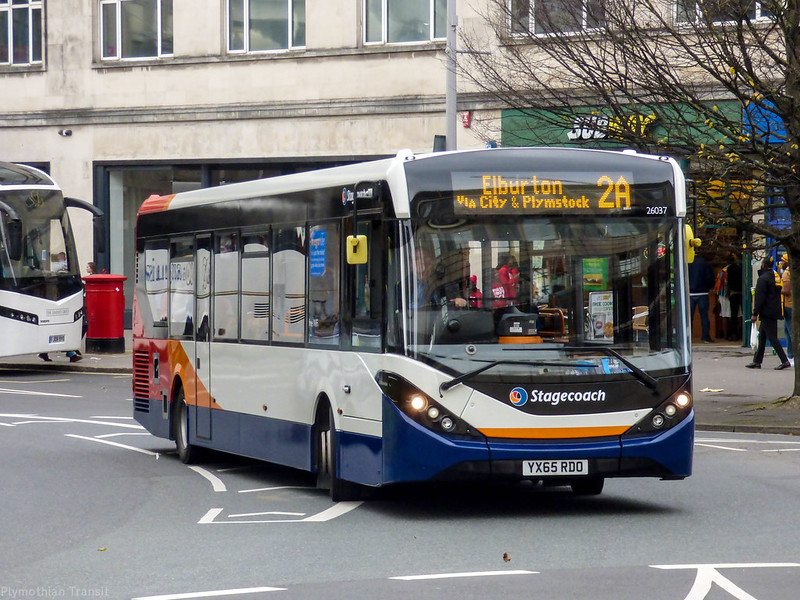
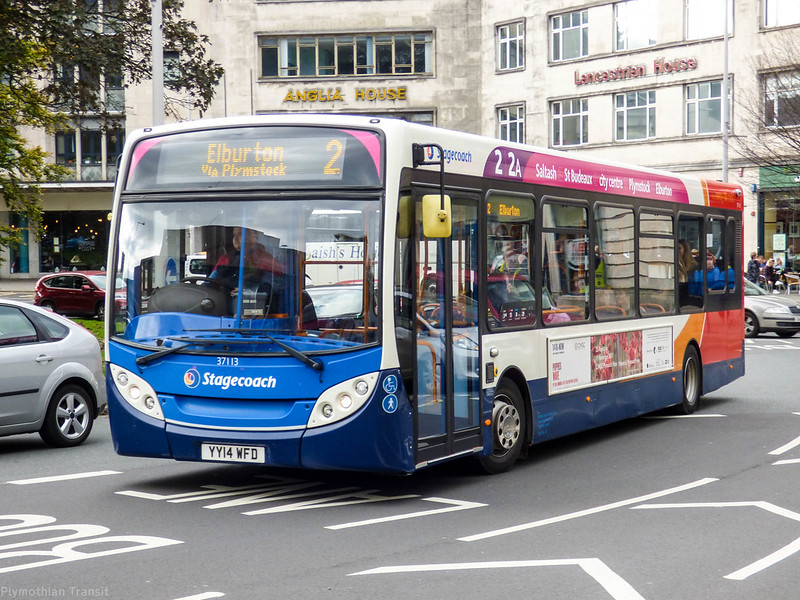
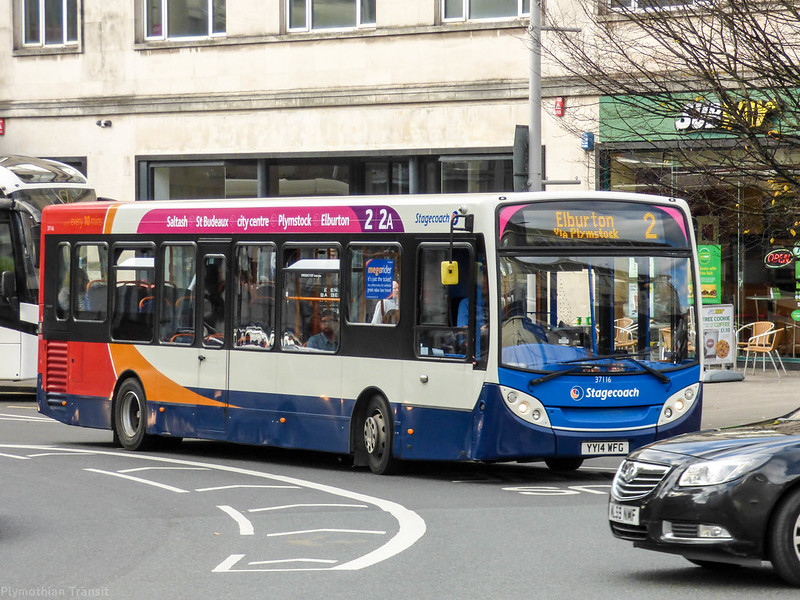
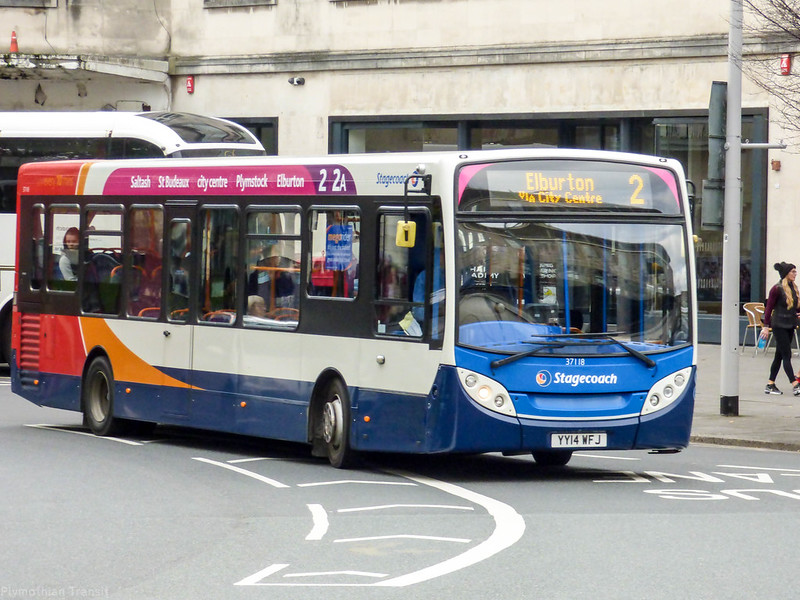
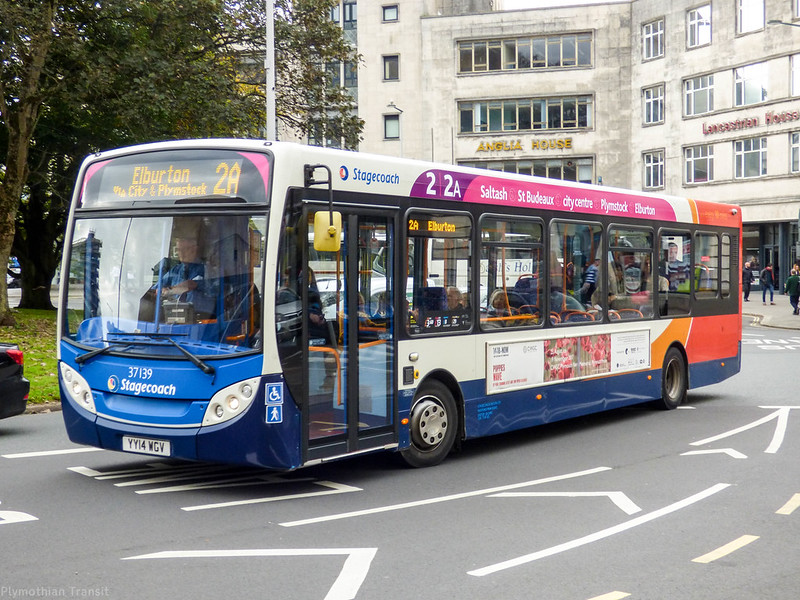
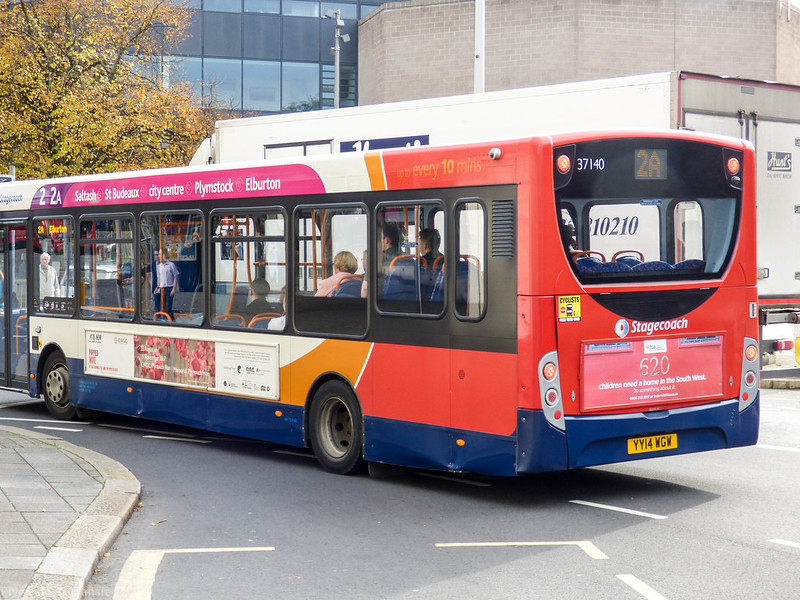
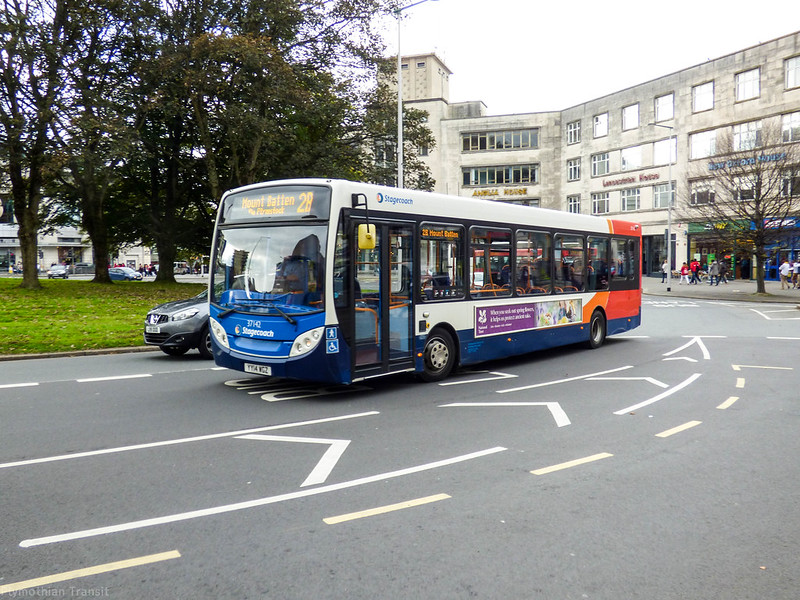
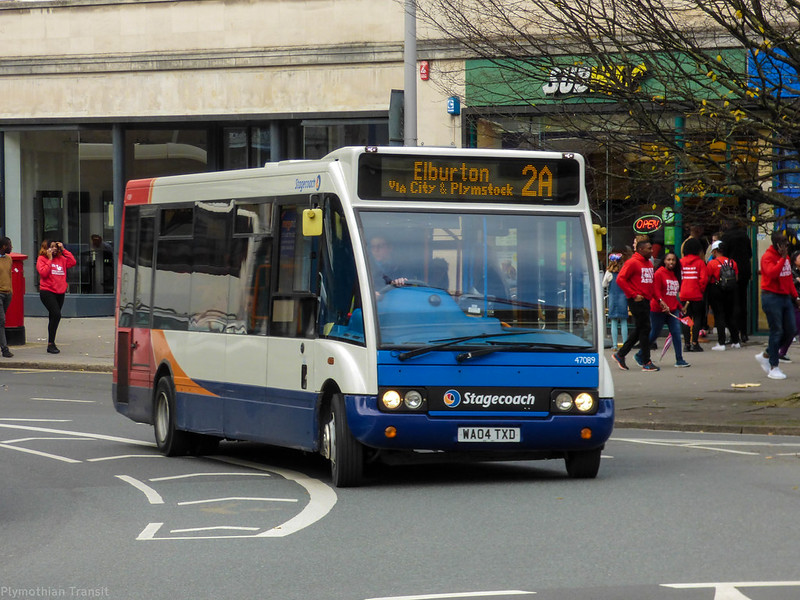
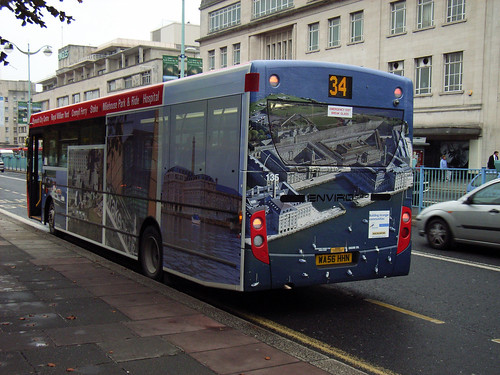
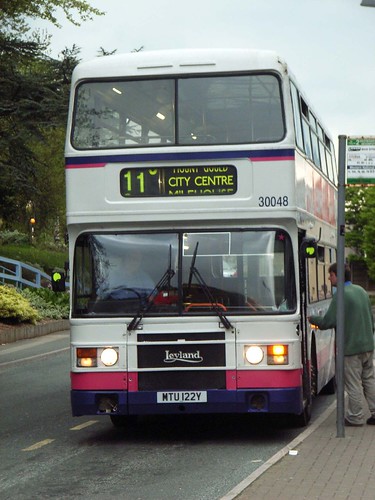
Of course it helps if the bus can display a full number and destination!
So what do people think? Do route numbers matter that much?

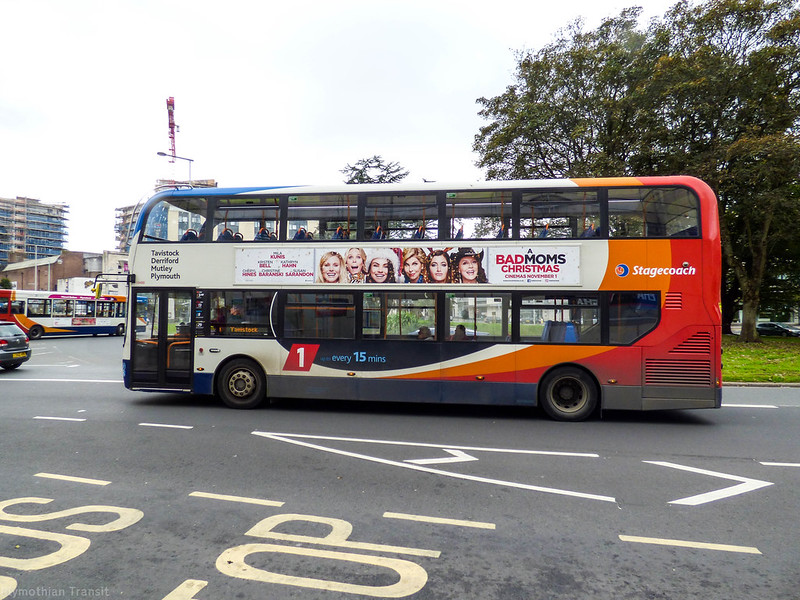 10489
10489 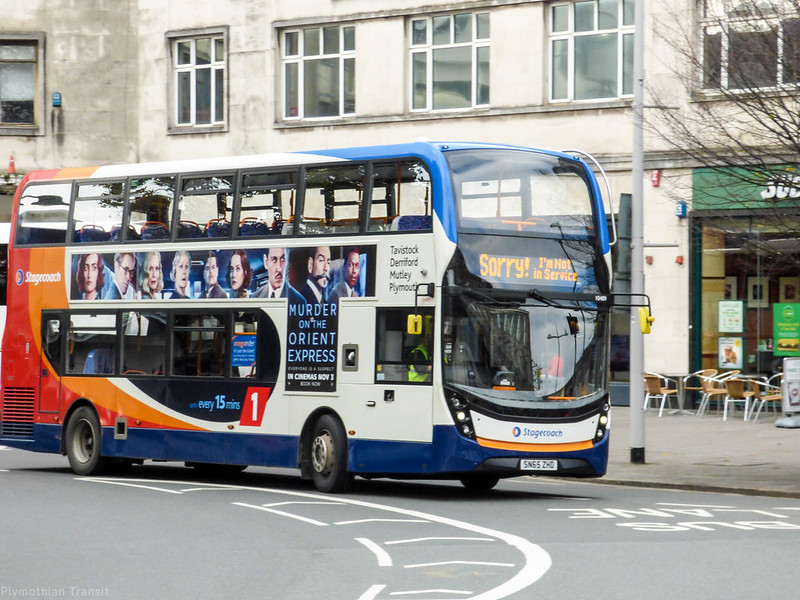 10490
10490 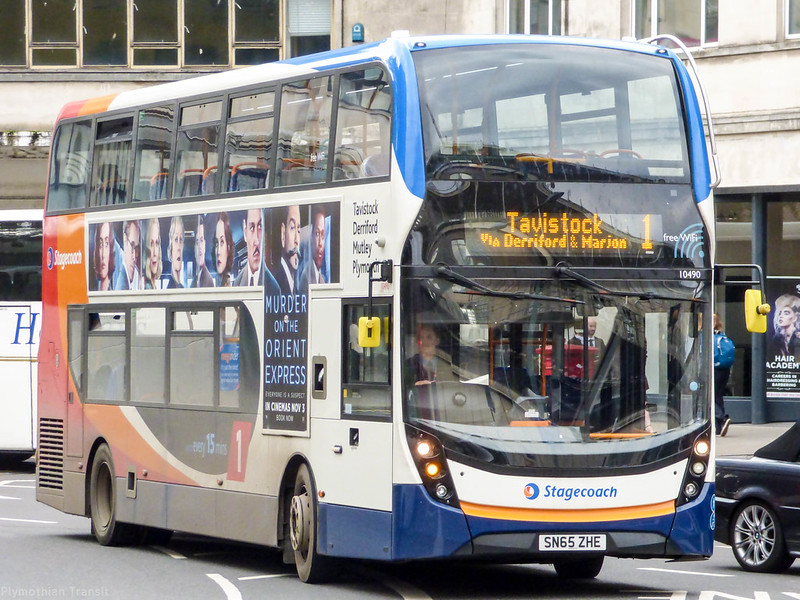 10493
10493